Pads That Stop Smelling Between Pickups
Dumpster Pad Cleaning in Grand Rapids for grease buildup and organic waste that creates odor and health code exposure
Grease and organic waste accumulate on restaurant and retail dumpster pads in layers that cold water alone cannot remove, which creates persistent odor and provides the food source bacteria need to multiply. Spotless Property Wash uses hot water combined with commercial degreaser application to fully break down the grease biofilm that causes odor between waste pickups—a combination that addresses the bacterial habitat rather than temporarily masking the smell. You see the pad surface return to clean concrete instead of the dark, slick coating that indicates ongoing decomposition, and the odor that drifts into customer parking areas or neighboring tenant spaces disappears within hours of service completion.
Kentwood and Grandville commercial properties with food service tenants face the highest frequency of grease buildup because fryer waste, food prep runoff, and beverage spills concentrate in dumpster enclosures that typically lack drainage infrastructure designed for liquid waste. Cold-water rinsing spreads the grease film across a wider area without dissolving it, which means the odor source remains active and health inspectors see evidence of inadequate sanitation during routine visits. Hot water raises the temperature of grease deposits above their melting point, and degreaser application emulsifies the liquefied layer so it rinses completely instead of re-solidifying as the surface cools.
Arrange an initial pad inspection to evaluate grease thickness and determine the cleaning frequency that keeps your enclosure compliant and odor-free.
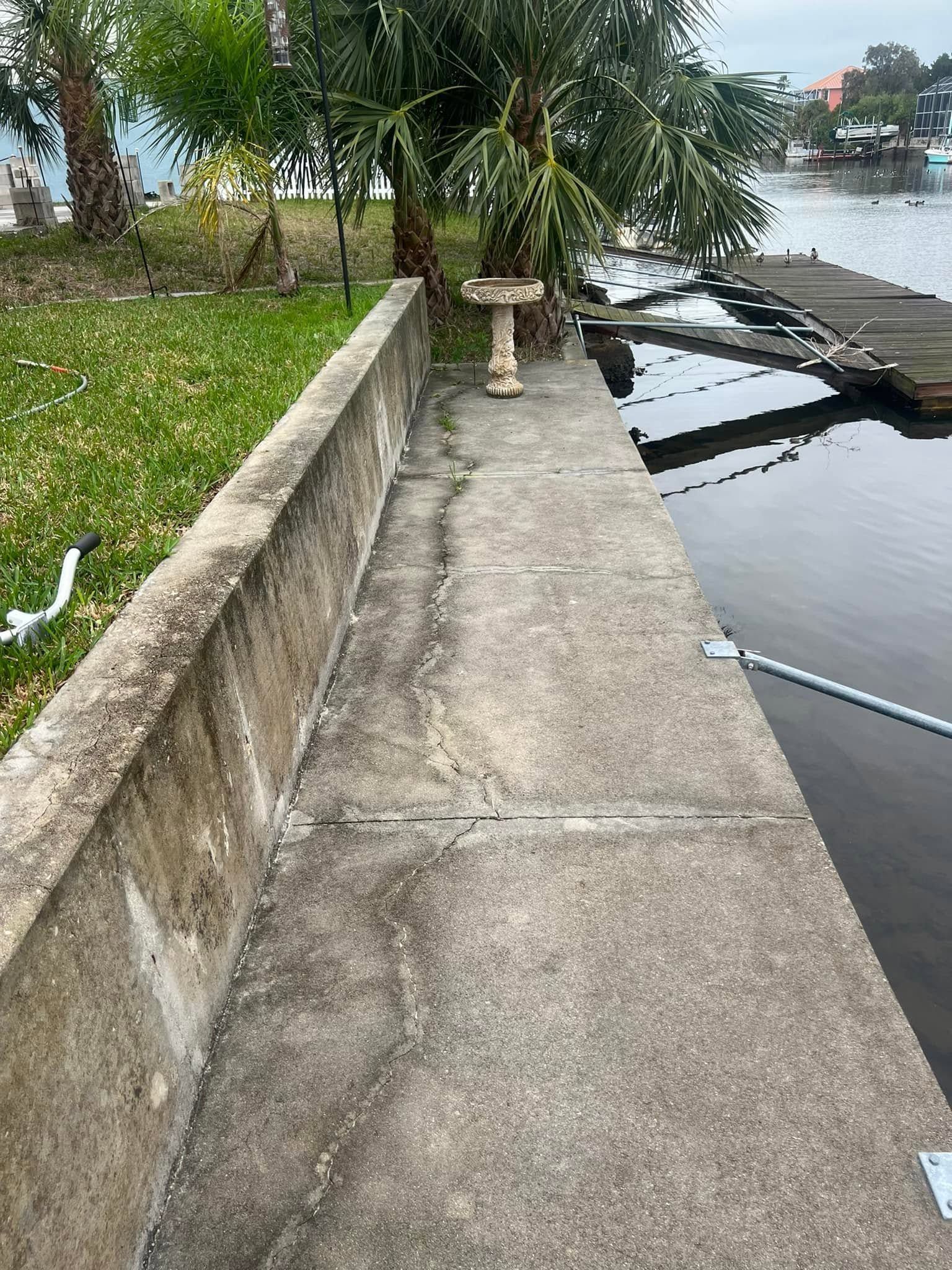
Before
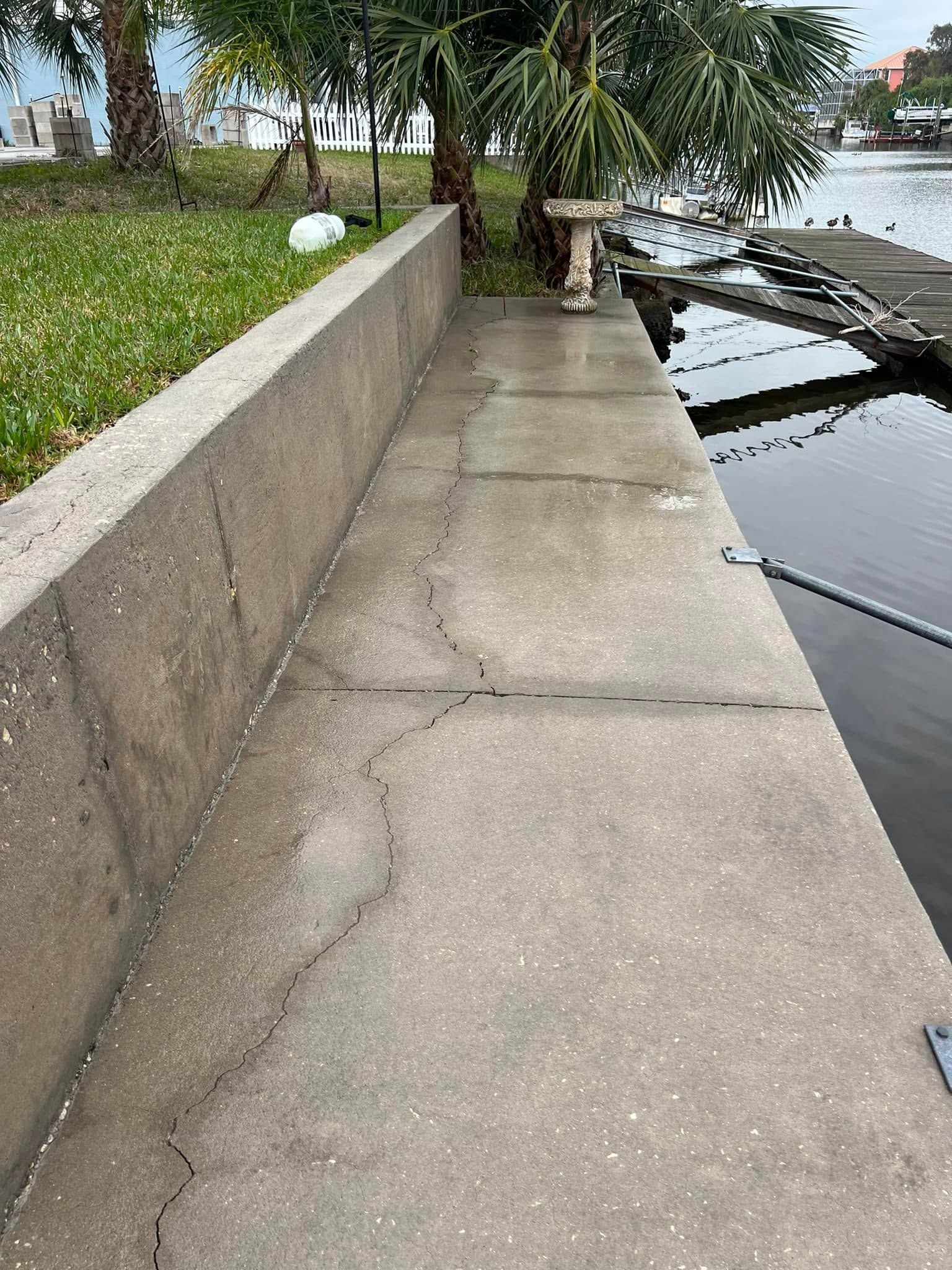
After
What Full Degreasing Actually Removes
The degreasing process begins with applying a biodegradable commercial degreaser that penetrates the grease biofilm, followed by hot-water pressure washing that lifts the emulsified layer from the concrete without driving it into the porous surface structure. The final rinse directs dissolved grease and organic matter toward the pad's drainage point or into containment for proper disposal, depending on local wastewater regulations and the enclosure's plumbing setup.
Once the work finishes, the concrete pad appears dry and uniform in color rather than darkened by oil saturation, and standing water no longer has the rainbow sheen that indicates floating grease. The enclosure stops attracting flies and rodents because the food source that drew them is gone, and your maintenance staff no longer needs to hose the area down between scheduled pickups to control smell.
This service targets the pad surface and enclosure walls where splash and overflow create secondary contamination—it does not include dumpster exterior cleaning unless specifically requested. Pads with damaged concrete, missing drain grates, or structural issues that trap liquid waste benefit from repairs before cleaning, and properties with daily food waste volume may need bi-weekly or monthly service intervals to stay ahead of buildup and maintain compliance during unannounced inspections.
Questions Restaurant Operators Ask Before Scheduling
Food service operators and property managers want clarity on compliance implications, service disruption, and cost factors before adding dumpster pad cleaning to their maintenance contracts.
Why does cold-water pressure washing leave the smell behind?
Cold water does not dissolve grease—it only moves it around or thins it temporarily, so the biofilm remains on the surface and bacteria continue feeding on it, which produces the odor you smell between cleanings.
How often should a restaurant dumpster pad be professionally cleaned?
High-volume kitchens with fryer waste typically need monthly cleaning, while lower-volume food service operations can maintain compliance and odor control with quarterly service depending on waste handling practices and enclosure design.
Will this service help us pass health inspections?
Yes—removing grease buildup and organic residue eliminates the sanitation deficiency that inspectors flag as evidence of inadequate waste area maintenance, and regular cleaning creates a documented maintenance record that demonstrates compliance intent.
Can you clean the pad without interrupting our business hours?
Most dumpster pads are cleaned during early morning hours before customer traffic begins, and the surface dries within one to two hours depending on temperature and airflow in the enclosure.
Does the service include the dumpster itself or just the pad?
The standard service focuses on the concrete pad and enclosure walls—dumpster exterior cleaning is available as an add-on, and many operators schedule both services simultaneously to address all odor sources in one visit.
Spotless Property Wash serves West Michigan restaurant and retail operators with reliable scheduling and documented results. Contact us to establish a recurring service plan that aligns with your waste pickup schedule and keeps your enclosure inspection-ready year-round.