Kitchens That Pass Fire and Health Inspections
Restaurant Kitchen Pressure Washing in Grand Rapids for exhaust system grease buildup that creates fire risk and code violations
Commercial kitchen exhaust systems accumulate grease in hood filters, exhaust ducts, and fan housings at rates that vary with cooking volume and menu type, but the accumulation always creates the same two problems: fire hazard and health code exposure. Spotless Property Wash provides restaurant kitchen pressure washing across the Grand Rapids area using a sequential cleaning process that addresses hood filters, exhaust duct interiors, and floor drains in order—an approach that removes the grease source rather than just cleaning visible surfaces. Downtown and 28th Street corridor food service operators face the highest inspection frequency, which means any grease buildup visible during walkthroughs results in immediate citations and follow-up visit requirements that disrupt operations and affect licensing status.
The sequential process matters because cleaning hood filters alone leaves the majority of grease deposits untouched inside ductwork, where they pose the greatest fire risk and continue to drip back onto cleaned filters within days. Full-sequence kitchen pressure washing includes removing and degreasing filters, accessing duct interiors to break down baked-on grease layers, treating fan assemblies where grease collects on motor housings, and flushing floor drains that capture runoff but often clog with solidified fats. Skipping duct work means the fire hazard source remains in place even though the kitchen appears clean during casual inspection.
Schedule an exhaust system assessment to identify grease thickness in your ductwork and determine the cleaning interval that keeps your operation compliant.
What Complete Exhaust Cleaning Includes
The work begins with covering and protecting cooking equipment, electrical panels, and food prep surfaces, then proceeds through filter removal and pre-soak, duct interior access and hot-water degreasing, and fan assembly cleaning before finishing with floor drain flushing and a final rinse that directs all waste into proper drainage systems. Exhaust duct cleaning requires accessing rooftop or exterior fan units to treat the full length of the grease path, and some installations need scaffolding or lift equipment to reach upper duct sections safely.
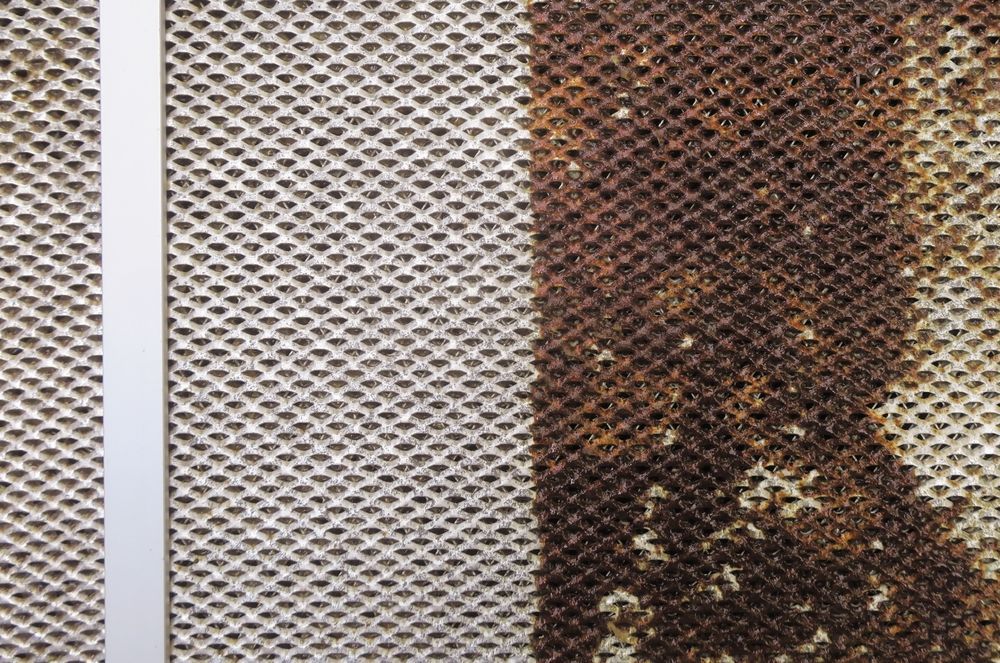
When the service finishes, your hood interior and filters appear silver or stainless rather than brown and sticky, duct interiors show bare metal instead of layered grease buildup, and airflow improves noticeably as obstructions clear and fans operate without the drag caused by grease-weighted blades. Spotless Property Wash documents the work with before-and-after photos and provides a service report that confirms cleaning depth and compliance with NFPA 96 standards, which many insurers and inspectors require as proof of adequate maintenance intervals.
This service targets the exhaust system specifically—it does not include walk-in cooler cleaning, general kitchen surface sanitation, or equipment maintenance beyond what affects the exhaust path. Kitchens with heavy frying operations typically need quarterly exhaust cleaning, while lower-volume or non-frying operations can extend intervals to semi-annual service depending on grease accumulation rates and local fire code requirements.
What Restaurant Owners Need to Know
Food service operators want clarity on fire safety implications, insurance requirements, and scheduling logistics before committing to exhaust system cleaning that requires kitchen access and equipment shutdown.
How often does a restaurant exhaust system need professional cleaning?
NFPA 96 standards recommend quarterly cleaning for high-volume operations, semi-annual for moderate volume, and annual for low-volume kitchens—your local fire marshal and insurance carrier may impose stricter intervals based on your cooking methods and claims history.
Will this service satisfy fire marshal and insurance requirements?
Yes—full-sequence cleaning that includes duct interiors and fan assemblies meets NFPA 96 compliance standards, and the documentation provided serves as proof during inspections and insurance audits.
Can you clean the exhaust system without shutting down the entire kitchen?
Most exhaust cleaning requires turning off ventilation fans and covering cook surfaces, which limits cooking activity during service—scheduling during closed hours or low-volume periods minimizes operational disruption.
What happens if grease buildup is too thick to remove in one cleaning?
Heavily neglected systems may require multiple treatments or mechanical scraping to remove hardened grease layers, and some ductwork with extreme buildup benefits from replacement rather than repeated cleaning attempts that cannot restore safe airflow.
Do you provide a certificate or report after cleaning?
Yes—each service includes a completion report with photos, cleaning depth confirmation, and the service date, which you keep on file for inspector review and insurance documentation.
Spotless Property Wash keeps West Michigan restaurant kitchens compliant and fire-safe with dependable scheduling and thorough documentation. Reach out to set up a service plan that matches your cooking volume and inspection schedule.